
Semaglutide vs. Tirzepatide: How to Choose
By MDside Medical Team · April 14, 2026 · 4 min read
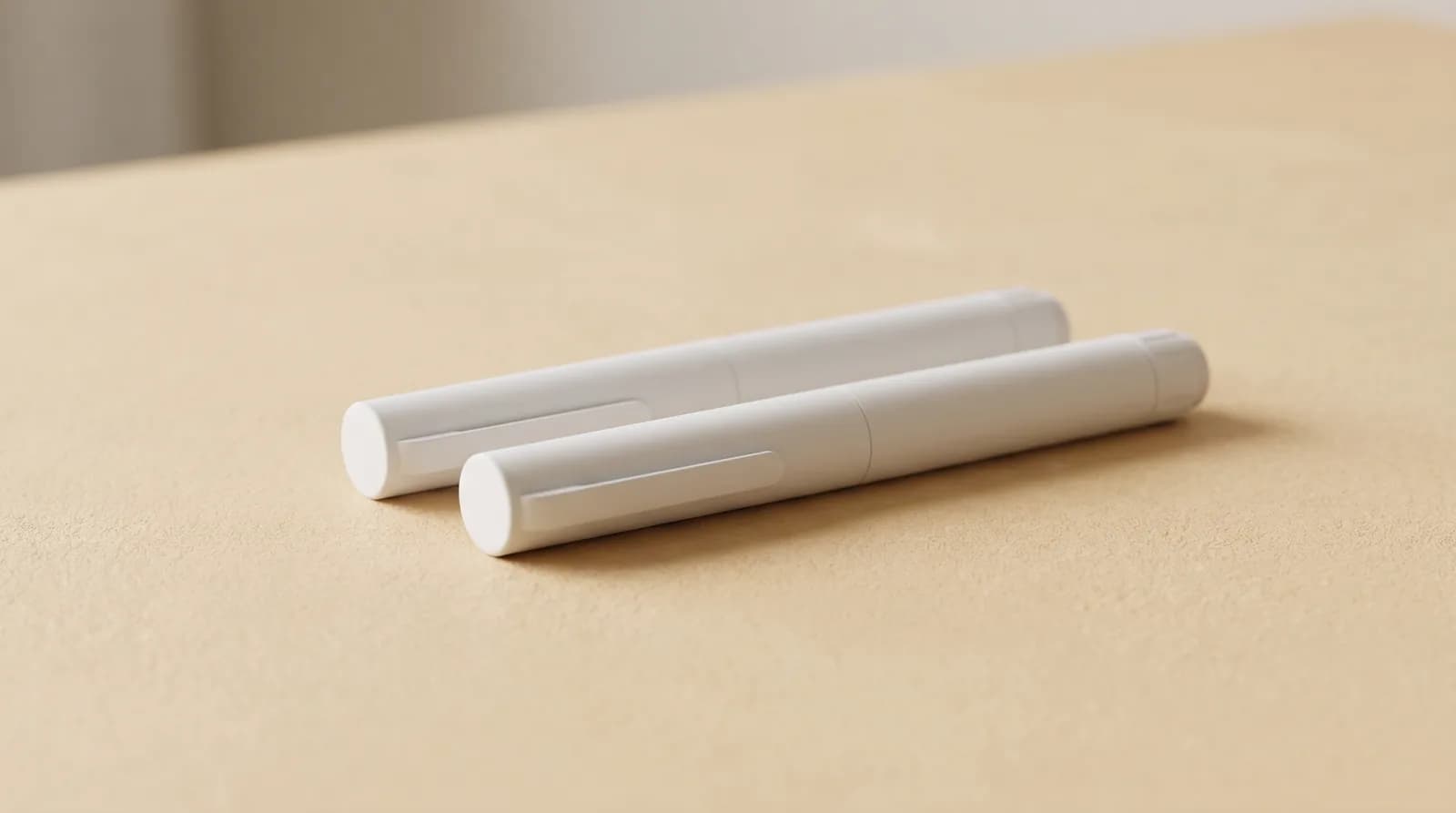
If you've started researching prescription weight management, two names come up again and again: semaglutide and tirzepatide. They're the active ingredients behind the most talked-about GLP-1 treatments, and one of the first questions people ask is simple: which one is right for me?
The honest answer is that the "better" option depends on your health history, your goals, and a licensed provider's clinical judgment. But understanding how these two medications differ can help you have a more informed conversation when you start your visit. Here's a plain-English breakdown.
What semaglutide and tirzepatide have in common
Both medications belong to a broader family of treatments that mimic gut hormones your body naturally releases after you eat. By acting on those hormone pathways, they help:
- Signal fullness to the brain, so appetite tends to feel quieter
- Slow how quickly the stomach empties, so you feel satisfied longer
- Support steadier blood sugar regulation
Both are typically given as a once-weekly injection, both are started at a low dose and increased gradually, and both are intended to be used alongside nutrition and lifestyle changes rather than in place of them.
The key difference: one hormone pathway vs. two
The clearest distinction is mechanism.
Semaglutide
Semaglutide is a GLP-1 receptor agonist — it targets a single hormone pathway (glucagon-like peptide-1). It has a long track record in both diabetes and weight management contexts and is widely studied.
Tirzepatide
Tirzepatide is a dual agonist — it acts on two hormone pathways, GLP-1 and GIP (glucose-dependent insulinotropic polypeptide). The idea behind targeting two receptors is that they may work together to influence appetite and metabolism.
This dual-pathway design is the headline difference. It doesn't automatically make tirzepatide the right choice for everyone, but it's the reason the two medications are clinically distinct rather than interchangeable.
How a provider decides
Choosing between them isn't a coin flip. A licensed provider considers factors such as:
- Your medical history — including conditions and any past reactions to similar medications
- Other medications you take and possible interactions
- How your body responds to a starting dose, including tolerability of side effects
- Your goals and preferences, discussed openly
- Availability and what's appropriate for your situation
Because both medications are titrated slowly, part of the decision is also about how you tolerate the early doses. Some people adjust easily; others need a slower ramp. That real-world response is information a provider uses to fine-tune your plan.
What to realistically expect from either
Regardless of which medication is prescribed, the general arc tends to look similar:
- Early weeks — appetite changes often become noticeable; dosing starts low.
- Titration period — your provider steps the dose up over time to balance results and side effects.
- Ongoing — the medication works best as one part of a routine that includes eating patterns, movement, sleep, and regular check-ins.
GLP-1 treatment is a process, not a one-time event. The medication that fits you is the one your body tolerates and your provider determines is appropriate.
Frequently asked questions
Is tirzepatide "stronger" than semaglutide? They work differently — tirzepatide acts on two hormone pathways and semaglutide on one — so they aren't directly ranked on a single scale. The right choice depends on your individual evaluation, not a universal ranking.
Can I switch from one to the other? Sometimes a provider may adjust your plan based on how you respond or tolerate a medication. Any change should be guided by your provider, never done on your own.
Do I get to pick which one I want? You can absolutely share a preference, and it's part of the conversation. But the final prescription is a clinical decision made by a licensed provider after reviewing your information.
Ready to find out which fits you?
The most reliable way to answer "semaglutide or tirzepatide?" is a personalized review with a licensed U.S. provider who looks at your full picture. With MDside, the process is online, HIPAA-compliant, and comes with free discreet shipping — and you're only charged if a provider approves treatment.
Start your visit to see which GLP-1 option a provider recommends for you.
Educational information only and not medical advice. Treatment decisions are made by a licensed provider based on your individual health.
Ready to talk to a provider?
A 5-minute visit, reviewed by a licensed US provider. No charge unless you're treated.
Start my visit →This article is for general education and is not medical advice. Always consult a licensed provider about your situation.
More on Weight Loss
- How GLP-1 Medications Actually Work for Weight LossSemaglutide and tirzepatide have changed weight management. Here's the science — in plain English — and what to expect.
- GLP-1 Weight Loss Cost Without InsuranceWhat GLP-1 weight loss costs without insurance, why telehealth pricing differs, and how to start from $99/mo — only charged if a provider approves treatment.
- Managing Common GLP-1 Side EffectsA practical guide to managing common GLP-1 side effects like nausea on semaglutide and tirzepatide — what's typical, what helps, and when to call.