
Low Testosterone Symptoms in Men: When Should You Get Tested?
By MDside Medical Team · April 9, 2026 · 4 min read
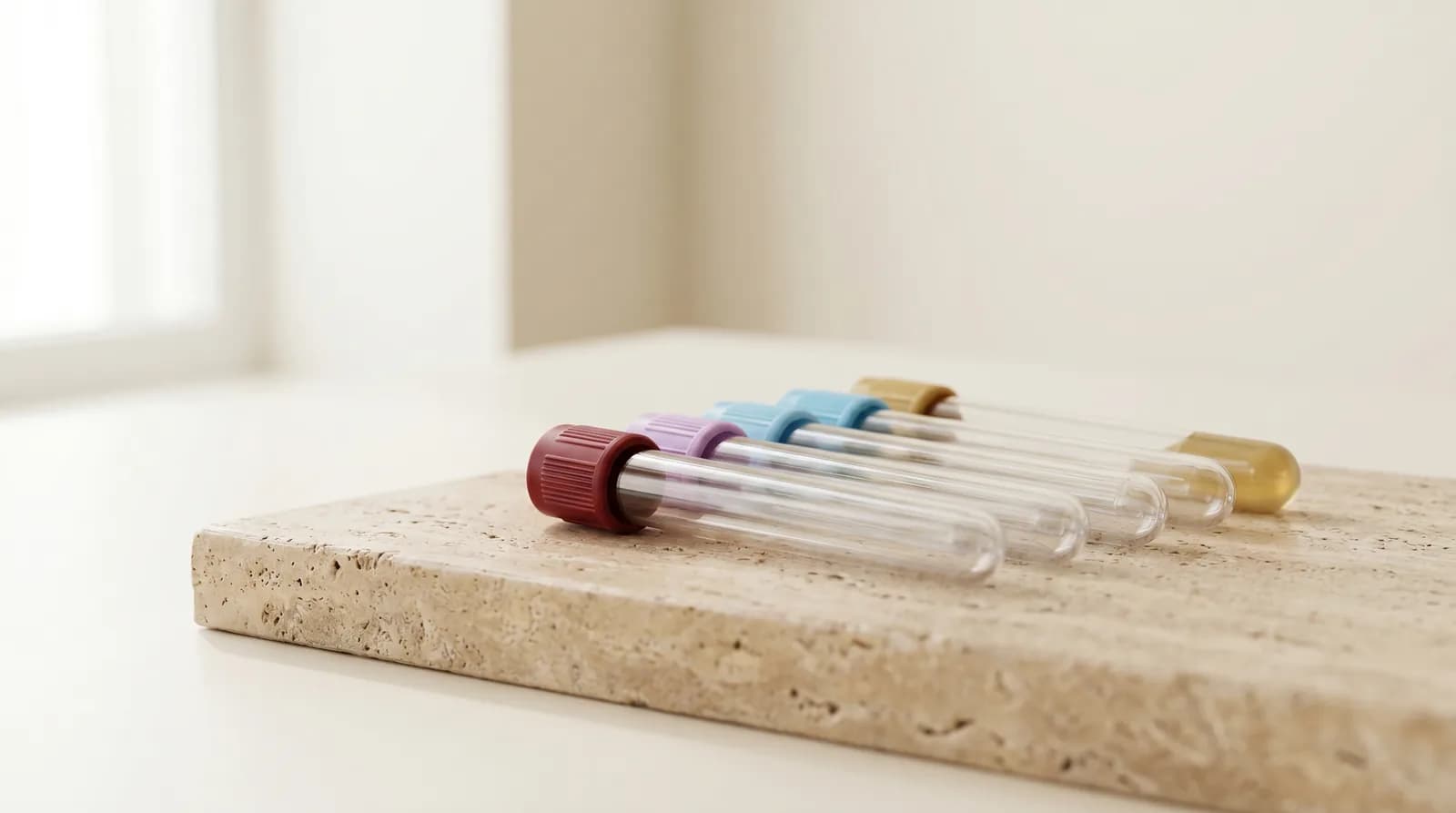
If you've been dragging through the day, losing your drive in the bedroom, or noticing your workouts just aren't paying off the way they used to, you may be wondering whether low testosterone is to blame. It's a fair question — and a common one. But here's the most important thing to understand up front: symptoms alone cannot diagnose low testosterone. Only blood work, reviewed by a licensed physician, can confirm it.
This guide walks through the symptoms men commonly ask about, why lab testing is non-negotiable, and when it makes sense to get checked.
Common Symptoms Men Associate With Low Testosterone
Testosterone levels naturally decline with age, and many of the symptoms men notice can also be caused by sleep problems, stress, thyroid issues, or other conditions. That's exactly why testing matters. Symptoms men frequently report include:
Physical changes
- Persistent low energy or fatigue that rest doesn't resolve
- Loss of muscle mass or reduced strength despite training
- Increased body fat, especially around the midsection
- Decreased bone strength over time
Sexual health changes
- Reduced libido or interest in sex
- Difficulty with erections
- Fewer spontaneous erections
Mood and cognitive changes
- Brain fog or trouble concentrating
- Irritability, low mood, or a general sense of being "off"
- Reduced motivation
None of these symptoms, on their own or together, mean you have low testosterone. They are reasons to get evaluated — not a diagnosis.
Why Lab Work Is Required Before Anything Else
Testosterone is a controlled substance, and testosterone replacement therapy (TRT) is only appropriate for men with clinically low testosterone confirmed by lab work. A physician cannot responsibly recommend treatment based on how you feel alone.
Blood testing typically measures your total testosterone, and often free testosterone and related markers. Because levels fluctuate throughout the day, testing is usually done in the morning, when testosterone is highest. In many cases a physician will want more than one reading to confirm a pattern before considering treatment.
This is a feature, not a hurdle. Lab confirmation protects you from being treated for a condition you may not have — and helps identify other causes of your symptoms.
When Should You Get Tested?
Consider talking to a provider about testing if you have:
- Several of the symptoms above that have persisted for weeks or months
- Symptoms that are affecting your daily life, work, relationships, or motivation
- A history of conditions sometimes linked to low testosterone
You do not need to "wait until it's bad." If symptoms are interfering with your life, that's reason enough to get an objective answer through testing.
What Happens After Testing
If your labs confirm clinically low testosterone, a licensed physician will review your full picture — symptoms, labs, and health history — to determine whether TRT is appropriate for you. If treatment is started, it is physician-supervised with ongoing monitoring, including follow-up lab work over time. TRT is not a one-and-done prescription; it's a managed, monitored therapy.
If your labs come back normal, that's valuable information too. It points you and your provider toward other explanations for your symptoms.
Frequently Asked Questions
Can I have low testosterone symptoms with normal lab levels? Yes. Many symptoms linked to low testosterone — fatigue, low mood, low libido — have other causes, which is why testing matters. Normal labs help redirect the search toward the real cause.
Do I need a referral or an in-person visit to get tested? Through MDside, you can start a TRT visit online. A licensed provider reviews your information and can order appropriate lab work as part of the evaluation process.
Is TRT the automatic next step if my levels are low? No. A physician weighs your labs, symptoms, and overall health before deciding whether treatment is appropriate. TRT is only considered for men with lab-confirmed low testosterone.
Get an Objective Answer
Guessing about your testosterone won't fix how you feel. A proper evaluation — symptoms reviewed alongside lab work by a licensed U.S. physician — will tell you what's actually going on.
Start your visit to begin the process. You're only charged if a physician approves treatment, so getting evaluated is a low-risk first step toward real answers.
This article is for educational purposes only and is not medical advice. TRT is a physician-supervised therapy involving a controlled substance and is only appropriate for men with clinically low testosterone confirmed by lab work.
Ready to talk to a provider?
A 5-minute visit, reviewed by a licensed US provider. No charge unless you're treated.
Start my visit →This article is for general education and is not medical advice. Always consult a licensed provider about your situation.
More on TRT
- What to Expect on TRT: Monitoring, Follow-Ups, and Your Care PlanWhat to expect on testosterone replacement therapy — from your first labs through ongoing monitoring and physician follow-ups on TRT.
- Is Online TRT Legit and Safe? What to Look ForIs online testosterone replacement therapy legit and safe? Here's how legitimate TRT telehealth works — lab-confirmed and physician-supervised.
- 5 Signs of Low Testosterone (and What to Do)Fatigue, low libido, brain fog — could it be low T? Here's what the symptoms mean and how it's evaluated.