
Sildenafil vs. Tadalafil: How the Two Most Common ED Medications Differ
By MDside Medical Team · April 9, 2026 · 4 min read
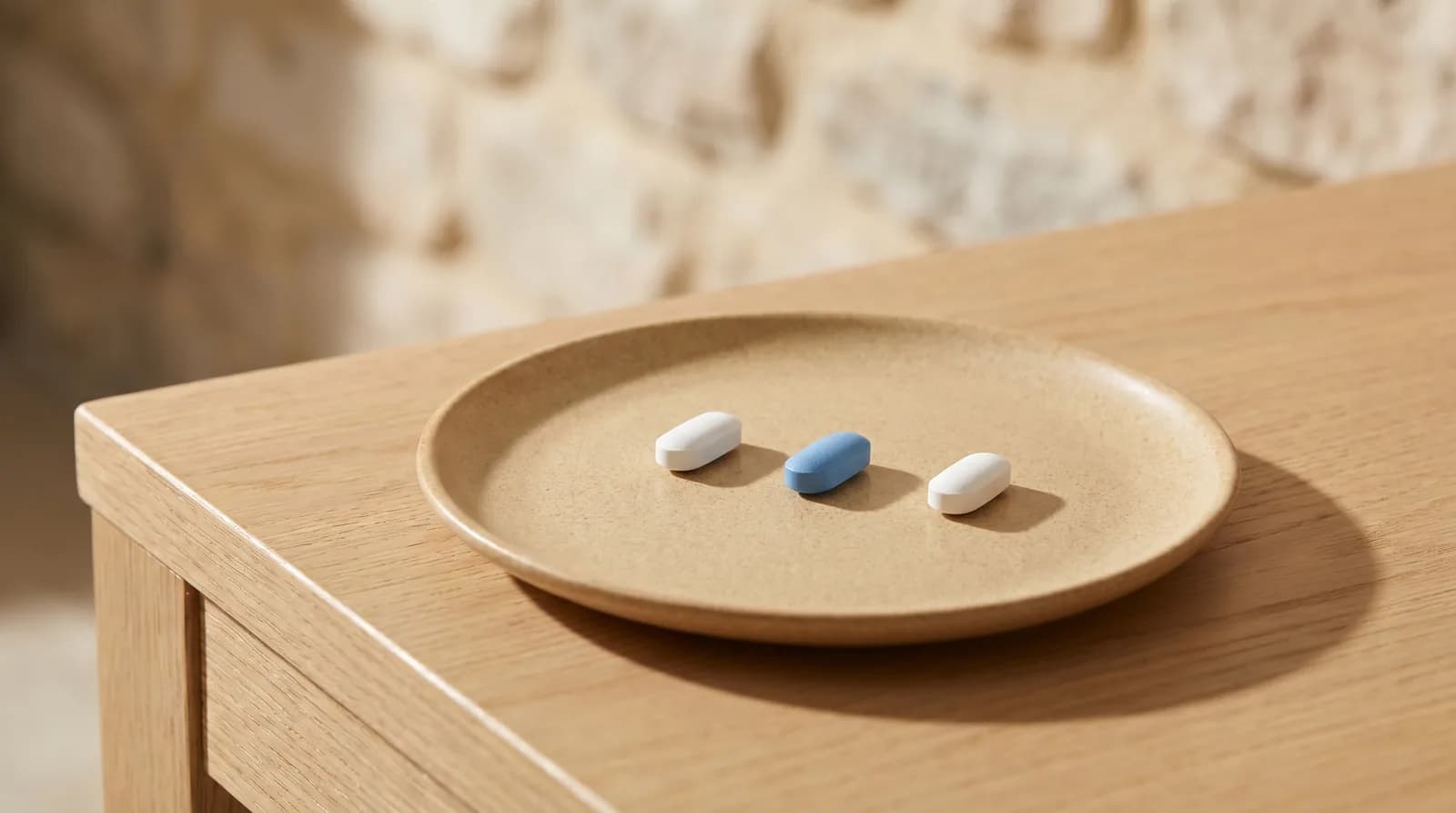
If you've started looking into treatment for erectile dysfunction (ED), you've almost certainly run into two names: sildenafil (the generic version of Viagra) and tadalafil (the generic version of Cialis). They're the most widely prescribed ED medications in the United States, they belong to the same drug family, and they work in a broadly similar way. So why are there two — and which one makes sense for you?
The honest answer is that the "better" option depends on your lifestyle, your health history, and how you'd actually like treatment to fit into your life. Here's a clear, side-by-side look so you can have a more informed conversation with a licensed provider.
What they have in common
Both sildenafil and tadalafil are PDE5 inhibitors. In plain terms, they help relax blood vessels and improve blood flow to the penis when you're sexually aroused. A key point that surprises some people: neither medication causes an erection on its own. Sexual stimulation is still part of the equation — these medications support the body's natural response rather than override it.
Both are prescription-only, both require review by a licensed provider, and both come in affordable generic forms today.
The main difference: timing and duration
This is where the two part ways, and it's usually the deciding factor.
Sildenafil — the "as-needed" option
Sildenafil is typically taken shortly before sexual activity. Its effect window is comparatively short, which is why many people think of it as a plan-ahead, on-demand option. If your encounters tend to be planned, this predictability can be a feature, not a limitation.
One thing to know: a heavy or high-fat meal can slow how quickly sildenafil takes effect, so timing around food matters more with this option.
Tadalafil — the longer-acting option
Tadalafil is known for a noticeably longer window of activity, which is why it earned the nickname "the weekend pill." Some people take it as needed; others are prescribed a low daily dose so the medication is simply present in their system, removing the need to plan around a specific moment. Food has less impact on how tadalafil works.
For people who value spontaneity, the longer duration can feel more natural. For those who'd rather take something only when needed, that's an option too — which is exactly the kind of nuance a provider helps sort out.
Side effects and considerations
Because they work similarly, the two share a similar profile of possible side effects, which can include headache, facial flushing, nasal congestion, or an upset stomach. Tadalafil is sometimes associated with back or muscle aches; sildenafil is occasionally linked to temporary changes in vision such as a blue tint. Not everyone experiences side effects, and a provider can help weigh these against the benefits.
Important safety note: these are prescription medications and aren't right for everyone. People who take nitrates (often prescribed for chest pain or certain heart conditions) generally should not take PDE5 inhibitors, because the combination can cause a dangerous drop in blood pressure. Certain other heart conditions, blood-pressure issues, and medication interactions also need to be reviewed. That's precisely why a licensed provider evaluates your health history before prescribing.
How to choose between them
There's no universal winner. A reasonable way to think about it:
- Prefer to plan ahead and take something only when needed? Sildenafil's on-demand approach may suit you.
- Value spontaneity or dislike timing around the clock? Tadalafil's longer window — or a low daily dose — may be a better fit.
- Sensitive to a particular side effect or taking other medications? That can tip the decision either way.
The good news is that switching is common. Many people try one, see how their body responds, and adjust with their provider.
Frequently asked questions
Is sildenafil the same as Viagra? Sildenafil is the active ingredient in Viagra. The generic contains the same active ingredient and is typically far more affordable.
Can I switch from one to the other? Often, yes — but any change should go through a provider so dosing and your health history are accounted for. Don't combine them or double up on your own.
Do I need a prescription? Yes. Both are prescription-only and require evaluation by a licensed provider. This isn't a hurdle so much as a safeguard, since these medications interact with certain health conditions and other drugs.
Ready to find your fit?
You don't have to figure this out alone — or in a waiting room. With MDside, a licensed U.S. provider reviews your information and, if treatment is appropriate, can prescribe generic sildenafil or tadalafil with free, discreet shipping. ED treatment starts from $45/mo, and you're only charged if a provider approves treatment.
Start your visit and take the first private step today.
This article is educational and not medical advice. Prescription ED medications aren't right for everyone and require evaluation by a licensed provider.
Ready to talk to a provider?
A 5-minute visit, reviewed by a licensed US provider. No charge unless you're treated.
Start my visit →This article is for general education and is not medical advice. Always consult a licensed provider about your situation.
More on ED Treatment
- How Long Does ED Medication Last? Understanding Duration and DosingED medication duration varies by drug and dose. Learn how long sildenafil and tadalafil typically last and what to expect from each.
- ED Medication Safety: What to Expect and Who Shouldn't Take ItED medication safety explained: how sildenafil and tadalafil work, possible side effects, and who shouldn't take them (nitrates, heart conditions).
- Common Causes of Erectile Dysfunction: What's Really Going OnThe common causes of erectile dysfunction explained — physical, lifestyle, and psychological factors, plus when to talk to a provider.